
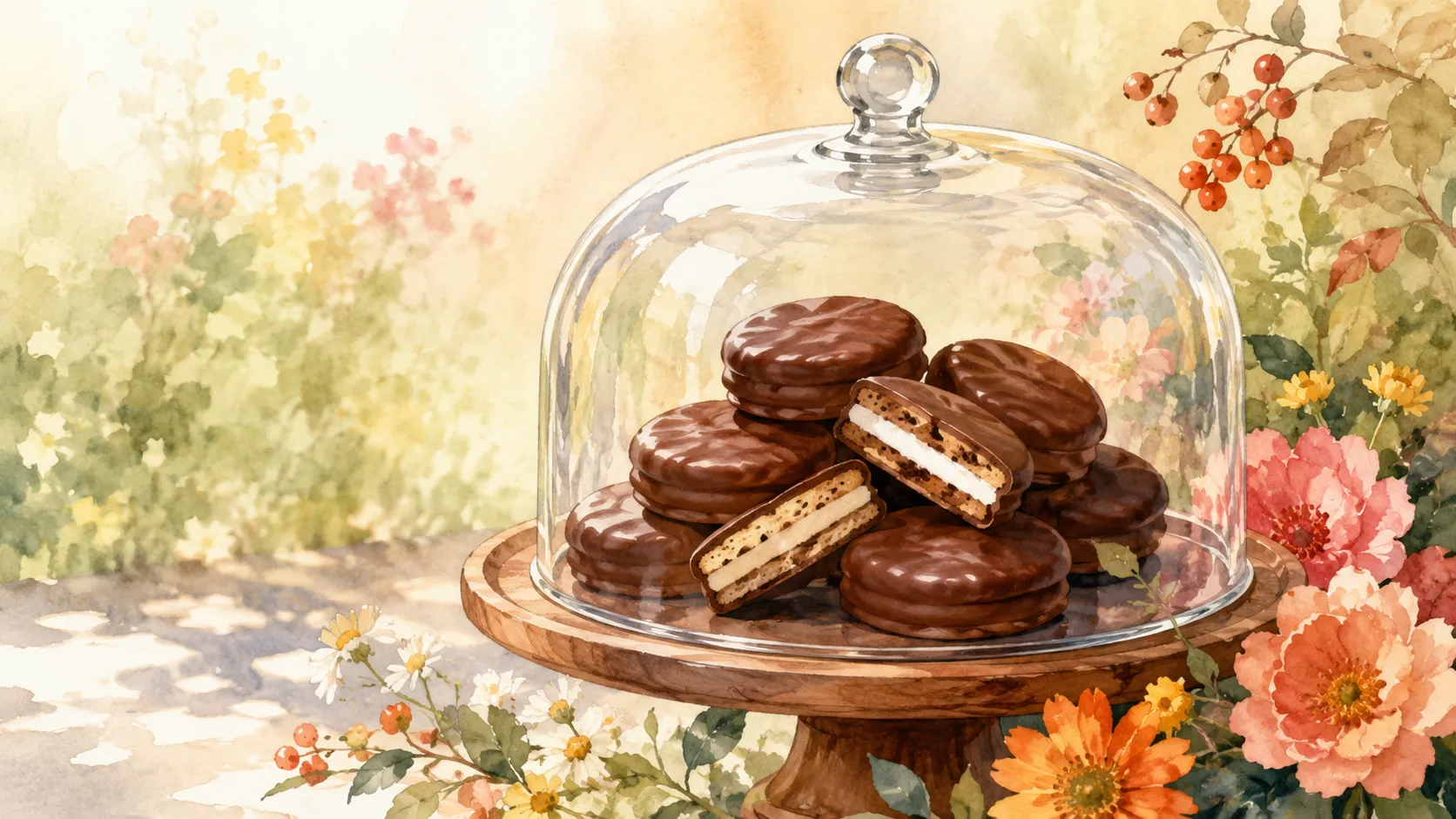
Chocolate covered Oreos are one of those treats that feel almost impossible to resist. The crunchy cookie center wrapped in a smooth chocolate shell makes them a favorite for parties, gifts, and special occasions. But here’s the real question people often forget to ask until it’s too late: how long are chocolate covered Oreos actually good for?The answer isn’t as simple as a single number. Their freshness depends on storage conditions, temperature, humidity, packaging, and even the type of chocolate used. Under ideal room temperature conditions, they typically stay fresh for about 2 to 4 weeks while maintaining good flavor and texture. However, that window can shrink or extend significantly depending on how carefully they are stored. Think of them like delicate little edible souvenirs; beautiful and delicious, but sensitive to their environment. One wrong condition, like excess heat or moisture, and their quality can shift quickly.
H2: Factors That Determine Freshness and Quality
The lifespan of chocolate covered Oreos isn’t random. Several key elements work together to decide how long they stay fresh and enjoyable.
H3: Type of Chocolate Used
Not all chocolate behaves the same way over time. Dark chocolate generally lasts longer because it contains less milk solids, which are more prone to spoilage. Milk and white chocolate, on the other hand, are more sensitive to heat and humidity changes.
This difference matters because chocolate is not just a coating; it is the protective shell of the entire treat. If it weakens or changes structure, the cookie inside is affected too.
H3: Quality of Ingredients
Fresh Oreos and high-quality chocolate coatings will always outperform cheaper or older ingredients. If the cookie was already near its best-by stage before dipping, the final product will naturally have a shorter lifespan.
H3: Exposure to Air and Light
Air exposure slowly dries out the cookie while also affecting chocolate texture. Light, especially sunlight, can break down chocolate fats and cause discoloration over time. Keeping them sealed in a dark, airtight container significantly improves longevity.
H3: Humidity Levels
Humidity is one of the biggest enemies of chocolate covered treats. Moisture softens cookies and can cause sugar crystals in chocolate to form, leading to a dull, chalky surface known as bloom. While bloom is safe to eat, it ruins appearance and texture.
H2: Shelf Life at Room Temperature
Room temperature storage is the most common method, but it comes with limits.
When stored properly in a cool, dry environment; ideally between 18°C and 21°C (65°F to 70°F); chocolate covered Oreos generally stay fresh for 2 to 4 weeks. This assumes:
- They are stored in airtight containers
- They are kept away from direct sunlight
- The room is not humid or overly warm
At this stage, the texture remains crisp, and the chocolate retains its snap. However, once you pass the 2–3 week mark, you may notice gradual staleness in the cookie or slight dullness in the chocolate coating.
Room temperature storage is like keeping flowers in a vase; it works beautifully for a while, but conditions need to be just right.
H2: Storing Them for Special Occasions
If you’re preparing chocolate covered Oreos for a wedding, holiday, or party, timing matters more than anything else.
H3: Short-Term Preparation
For best results, make or buy them 5 to 10 days before the event. This gives you enough buffer time while ensuring they are still at peak freshness.
H3: Refrigerator Storage
Refrigeration can extend shelf life up to 4 to 8 weeks, but it comes with trade-offs. Pros:
- Slows down spoilage
- Helps maintain structure in warm climates
Cons:
- Can cause condensation when removed
- May lead to sugar bloom on chocolate
- Can slightly dull flavor
H3: Freezing for Long-Term Planning
Freezing is the longest-lasting option, extending shelf life to 3 to 6 months when properly sealed. However, freezing must be done carefully:
- Wrap tightly in plastic or foil
- Store in airtight freezer bags
- Thaw slowly at room temperature
If done incorrectly, condensation during thawing can ruin the chocolate surface.
H2: How Temperature and Humidity Affect Chocolate
Chocolate is extremely sensitive to its environment. It behaves almost like a living material; it reacts, shifts, and changes based on conditions around it.
H3: Heat Effects
High temperatures cause chocolate to soften, melt, or separate. When it cools again, it may develop fat bloom, which creates a whitish coating. This doesn’t make it unsafe, but it affects texture and appearance.
H3: Cold Effects
Cold environments, especially refrigerators, introduce moisture. When chocolate is taken out and warms up, condensation forms on the surface, leading to sugar bloom.
H3: Humidity Impact
Humidity is arguably the worst factor. Moist air softens cookies and weakens the chocolate shell. Over time, it can turn a crisp treat into something chewy and uneven.
H2: Signs They Have Passed Their Best Condition
Even if chocolate covered Oreos are technically safe, quality decline is easy to spot.
H3: Visual Signs
- White or gray streaks on chocolate (bloom)
- Dull or faded appearance
- Soft or sticky coating
H3: Texture Changes
- Cookie becomes stale or chewy
- Chocolate loses its snap
- Uneven or grainy coating
H3: Smell and Taste Changes
- Slight rancid or off smell
- Bitter or flat taste
- Loss of chocolate aroma
If mold appears or there is a strong unpleasant odor, they should be discarded immediately.
H2: Extending Freshness Through Proper Packaging
Packaging is the hidden hero of food preservation. Even small changes can significantly extend freshness.
H3: Airtight Containers
The best storage method is a rigid airtight container. This reduces exposure to air and humidity while protecting the shape of the treats.
H3: Wrapping Techniques
For extra protection:
- Wrap individually in wax paper
- Use food-safe plastic wrap
- Add silica gel packs (food-safe) for moisture control
H3: Layering Strategy
If stacking multiple Oreos:
- Separate layers with parchment paper
- Avoid direct contact between pieces
- Keep container fully sealed
H3: Storage Location
Ideal storage spots include:
- Cool pantry shelves
- Dark cupboards
- Temperature-stable rooms
Avoid:
- Kitchens near ovens
- Sunny countertops
- Humid areas like near sinks

Dorian Kade is a 33-year-old American content writer based in Spokane, Washington. With years of experience creating well-researched articles on lifestyle, home improvement, and digital publishing, he focuses on producing accurate, reader-friendly content backed by reliable sources and practical knowledge. His writing reflects a commitment to clarity, trustworthiness, and helpful information, and he regularly contributes editorial content for candydelights.xyz while staying connected to trends that matter to modern readers.