
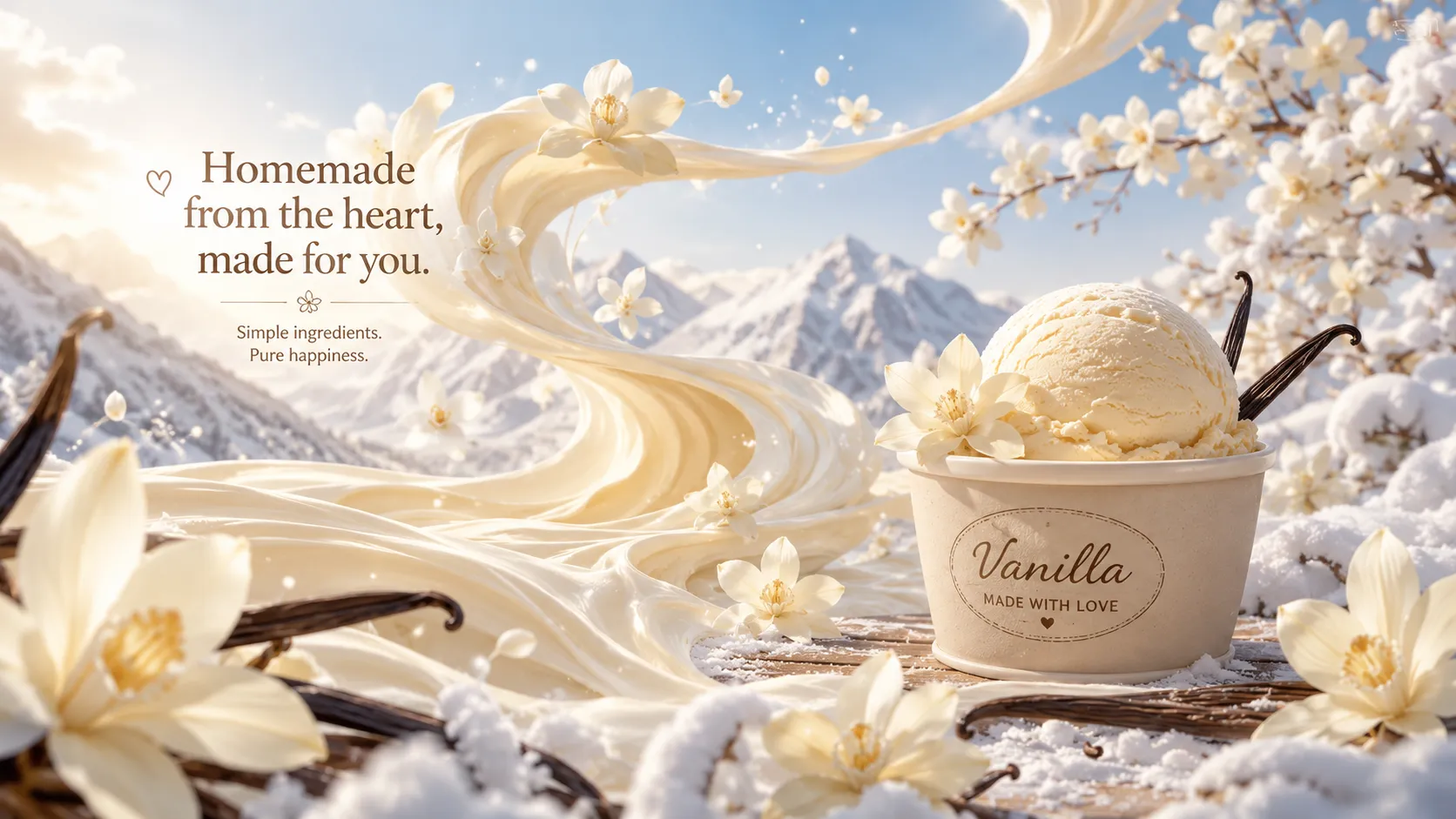
Many people assume that French vanilla comes from a special type of vanilla bean grown somewhere in France. Surprisingly, that isn’t true. The term actually refers to a traditional French-style ice cream-making technique that relies on a rich custard base made with egg yolks. Unlike regular vanilla ice cream, which is often made from cream, milk, sugar, and vanilla flavoring alone, French vanilla incorporates egg yolks that dramatically transform both the texture and flavor of the finished dessert. The result is a deeper, richer, and more luxurious ice cream experience that feels almost silky on the tongue. The pale yellow color commonly associated with French vanilla also comes directly from the egg yolks rather than the vanilla itself. The difference becomes obvious the moment you take your first spoonful. Regular vanilla ice cream tends to be lighter and cleaner in flavor, while French vanilla offers a custard-like richness that coats the palate beautifully. Think of it like the difference between a simple acoustic performance and a full orchestra. Both can be enjoyable, but one delivers significantly more depth and complexity. Professional pastry chefs often favor French vanilla because the custard base provides a stronger foundation for flavor development. This richness allows the vanilla notes to linger longer and creates a more satisfying dessert experience. Understanding this distinction is the first step toward mastering homemade French vanilla ice cream because the entire process revolves around creating a flawless custard base.
Essential Ingredients for Authentic French Vanilla Ice Cream
Creating exceptional French vanilla ice cream starts with selecting high-quality ingredients. Since vanilla is the star of the show, every ingredient plays a supporting role in highlighting its flavor. The classic ingredient list includes whole milk, heavy cream, granulated sugar, egg yolks, vanilla extract or vanilla beans, and a small amount of salt. While the list appears simple, the quality of each component can significantly impact the final result. Fresh dairy products create a smoother texture, while premium vanilla contributes complexity and aroma that artificial substitutes simply cannot replicate.
The choice between vanilla extract and whole vanilla beans often sparks debate among home cooks. Vanilla beans provide a sophisticated flavor profile and attractive specks throughout the ice cream. Interestingly, culinary experts note that the visible black flecks are primarily decorative, while much of the flavor comes from extracted vanilla compounds. Even so, many ice cream enthusiasts appreciate the visual appeal and subtle aromatic qualities that genuine vanilla beans provide. The following table highlights the primary ingredients and their functions:
| Ingredient | Purpose |
|---|---|
| Heavy Cream | Richness and smooth texture |
| Whole Milk | Balances fat content |
| Egg Yolks | Custard structure and creaminess |
| Sugar | Sweetness and softness |
| Vanilla Bean/Extract | Primary flavor |
| Salt | Enhances flavor depth |
When these ingredients are combined correctly, they create a harmonious balance that produces the signature richness associated with French vanilla. The magic isn’t hidden in exotic ingredients but in the careful interaction between dairy, eggs, sugar, and vanilla during preparation.
Building a Rich Custard Base
The heart of French vanilla ice cream is the custard base. This is where the transformation begins. Building a successful custard requires patience, precision, and attention to temperature. Start by combining milk, cream, and vanilla in a saucepan over medium heat. If using a vanilla bean, split it lengthwise and scrape the seeds into the mixture before adding the pod itself. As the dairy warms, the vanilla infuses every drop with flavor, creating a fragrant foundation that will carry through the finished dessert.
While the dairy mixture heats, whisk egg yolks and sugar together in a separate bowl. The goal is to create a smooth, pale mixture that is fully combined. This step is often overlooked, but properly whisking the yolks and sugar helps ensure a more stable custard later. The sugar begins dissolving into the yolks, creating a smoother texture and reducing the likelihood of lumps.
The process resembles constructing a building. The dairy serves as the framework, the egg yolks act as the structural support, and the vanilla provides the decorative details that make everything memorable. When properly combined, these ingredients produce a custard with remarkable body and richness. This foundation is what distinguishes French vanilla from ordinary vanilla ice cream and is the reason why so many ice cream lovers prefer its luxurious texture.
Tempering Eggs Without Scrambling Them
Tempering is often the step that intimidates beginners, yet it is surprisingly straightforward when approached correctly. The purpose of tempering is to gradually raise the temperature of the egg yolks without cooking them too quickly. If hot dairy is poured directly into the eggs, the proteins coagulate instantly, producing sweet scrambled eggs rather than smooth custard.
To temper successfully, slowly pour a small amount of the hot milk and cream mixture into the egg yolks while whisking continuously. Add only a little at a time, maintaining constant motion. This gradual introduction of heat allows the eggs to warm gently. Once roughly half of the hot dairy has been incorporated, the egg mixture can safely be returned to the saucepan with the remaining dairy.
The technique is similar to teaching someone to swim. You don’t throw them into deep water immediately. Instead, you allow them to adjust gradually. Tempering follows the same principle by helping the eggs adapt to higher temperatures without shock. Experienced ice cream makers often emphasize that patience during this stage determines the quality of the finished custard. Community discussions among ice cream enthusiasts consistently highlight slow pouring and constant whisking as the keys to success. Once mastered, tempering becomes second nature. Rather than a source of anxiety, it transforms into one of the most satisfying parts of the ice cream-making process because it marks the point where separate ingredients begin becoming a cohesive custard.
Cooking the Custard Correctly
After tempering, the custard returns to the stove for final cooking. This stage requires careful attention because overheating can ruin the texture. Cook the mixture over medium-low heat while stirring constantly with a wooden spoon or heatproof spatula. The custard gradually thickens as the egg proteins form a delicate network that traps moisture and creates creaminess.
A simple test helps determine when the custard is ready. Dip a spoon into the mixture and run your finger across the back of it. If the line remains clear without immediately filling in, the custard has reached the proper consistency. This technique, known as “coating the spoon,” has been used by pastry chefs for generations.
One of the most common mistakes is allowing the custard to boil. High temperatures cause the proteins to tighten excessively, leading to curdling and graininess. Another frequent error involves undercooking, which prevents the custard from developing enough body. Success lies in finding the sweet spot between these extremes. The reward is a velvety custard that serves as the backbone of exceptional French vanilla ice cream. Every minute spent monitoring the custard pays dividends in the final texture and flavor.
Achieving a Smooth and Creamy Texture
Texture is where French vanilla truly shines. The combination of egg yolks and dairy creates a natural emulsification that binds fat and water together. This process prevents separation and contributes to the luxurious mouthfeel that distinguishes premium ice cream from ordinary frozen desserts.
Straining the custard is an important but often neglected step. After cooking, pour the mixture through a fine-mesh sieve into a clean bowl. This removes any tiny bits of cooked egg or vanilla pod fragments, ensuring an exceptionally smooth final product. Professional pastry chefs frequently strain their custards multiple times because even microscopic imperfections can affect texture.
Creaminess also depends on controlling ice crystal formation. Large ice crystals create a coarse texture, while tiny crystals produce smoothness. The custard base helps limit crystal growth by introducing fat, proteins, and emulsifiers that interfere with crystal development. Egg yolks are particularly valuable because they naturally contain lecithin, a powerful emulsifier that contributes to the silky consistency French vanilla is known for. The result is an ice cream that feels almost luxurious. Each spoonful melts slowly, delivering layers of vanilla flavor while maintaining a rich, creamy body. Achieving this texture requires attention to detail, but the difference is immediately noticeable when compared with lower-quality alternatives.
Chilling and Churning for Best Results
Many people underestimate the importance of chilling the custard before churning. Freshly cooked custard may smell incredible, but it needs time to mature. Refrigerating the mixture for several hours, preferably overnight, allows flavors to develop and fats to solidify slightly. This aging process improves both texture and taste.
As the custard chills, something remarkable happens. The vanilla becomes more integrated, the dairy flavors deepen, and the overall mixture becomes more cohesive. It’s similar to how a good stew often tastes better the next day. Time allows flavors to marry and mature.
When the custard is thoroughly chilled, it’s ready for churning. Ice cream machines continuously freeze and agitate the mixture, incorporating air while preventing large ice crystals from forming. The amount of air incorporated affects texture significantly. Too much air creates fluffiness, while too little can result in excessive density. The goal is balance. Churning should continue until the ice cream reaches a soft-serve consistency.
After churning, transfer the ice cream to an airtight container and freeze for several hours to firm up. This final freezing stage completes the transformation from liquid custard to scoopable perfection. Patience during chilling and churning often separates good homemade ice cream from truly outstanding homemade ice cream.
Flavor Enhancements That Complement Vanilla
Vanilla may be the centerpiece, but several complementary flavors can elevate French vanilla ice cream to new heights. The key is choosing additions that enhance rather than overpower the delicate vanilla notes. Small amounts of cinnamon, nutmeg, honey, or maple syrup can add intriguing complexity while preserving the ice cream’s identity.
For those seeking a gourmet touch, consider infusing the dairy mixture with ingredients such as:
- Cinnamon sticks
- Lavender buds
- Orange zest
- Cardamom pods
- Espresso beans

Dorian Kade is a 33-year-old American content writer based in Spokane, Washington. With years of experience creating well-researched articles on lifestyle, home improvement, and digital publishing, he focuses on producing accurate, reader-friendly content backed by reliable sources and practical knowledge. His writing reflects a commitment to clarity, trustworthiness, and helpful information, and he regularly contributes editorial content for candydelights.xyz while staying connected to trends that matter to modern readers.